
Tessellated tiles and heritage tiling in Putney
Putney's Parramatta River setting, waterfront history and connection with the wider Ryde area make context an important part of planning tile work. We can help you consider tessellated tile design, supply, installation or restoration in relation to the property's existing fabric, access and intended use. For older or individually identified places, begin with the property-specific heritage and planning position rather than assuming a suburb-wide rule.
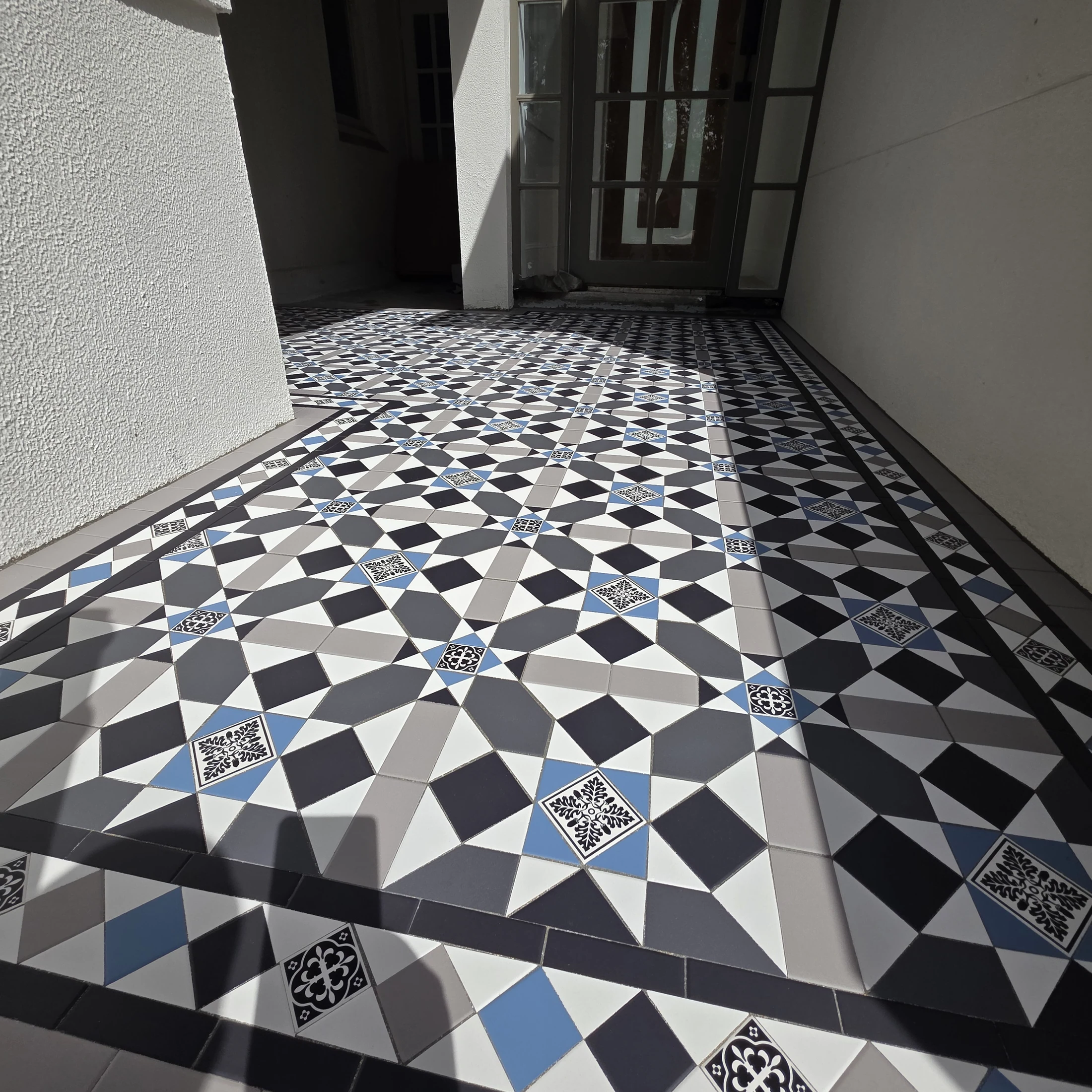
A river-side Putney setting
Putney sits on the northern bank of the Parramatta River, with Morrisons Bay and the peninsula forming part of the locality's documented setting. Its history includes early Eastern Farms land grants, later subdivision and a long relationship with the water. That context can be useful inspiration for an entry, verandah or pathway, but it does not prescribe one pattern or imply that every home shares the same period or architectural character.
The broader Ryde and Putney story also includes Aboriginal cultural history and changing uses of the foreshore. A respectful design process keeps the property's own history and existing materials in view rather than applying a generic heritage look.
Start with the particular property
City of Ryde's published heritage material includes an individual Putney maritime and archaeological place of local significance. That is evidence of identified heritage values at a particular place, not a statement that all Putney houses are listed or that tile work automatically needs approval.
Before changing surviving tessellated floors, front paths, steps or verandahs, check the property's listing and the controls that apply to its lot. City of Ryde notes that planning controls may operate at suburb, street or single-lot level. Where existing fabric has value, design decisions should distinguish careful repair and matching from new work, and should allow the relevant authority or qualified heritage adviser to guide any required assessment.
Heritage Data Form — Putney, City of Ryde Heritage ReviewHeritage | City of RydePlanning Controls, City of Ryde
Design decisions for entries, verandahs and paths
For a Putney entry or verandah, useful design questions include how a border meets the threshold, how the pattern relates to the home's proportions, and how new work transitions to retained surfaces. On a pathway, the layout also needs to respond to falls, edges, steps and everyday movement through the site. These are site-led decisions rather than a universal Putney template.
Where a historic surface remains, record its layout and condition before lifting or replacing anything. Matching colour, scale, geometry and edge details can matter as much as the central pattern. If a new tessellated area is being introduced, a design consultation can help separate a sympathetic reference to local context from an inaccurate attempt to imitate a specific listed place.
Tessellated tile supply, installation and restoration
Putney projects can be approached through design consultation, tessellated tile supply, installation or restoration, with the scope shaped by the condition of the existing surface and the property's setting. Restoration is most useful where there is surviving fabric to assess; new installation is a different decision and should be designed around the building and site rather than a stock layout.
For a local project discussion, bring photographs, approximate dimensions and any available property or heritage information. That helps clarify whether the brief is to retain and repair an existing surface, create a new verandah or pathway, or coordinate tile work with stone bullnose or edging details.
Heritage Data Form — Putney, City of Ryde Heritage ReviewPlanning Controls, City of Ryde
Your Heritage Tiling Questions
Does living in Putney mean my home is heritage listed?
No. A suburb's history and the existence of individual heritage places do not make every property heritage listed. Check the particular lot and the applicable City of Ryde and NSW planning information before changing an older floor, verandah, path or other potentially significant fabric.
What should I check before restoring old tessellated tiles in Putney?
Document the existing pattern, condition, edges and surrounding surfaces first. Then check whether the property or proposed work is affected by a heritage listing, conservation control or other planning requirement. City of Ryde notes that controls can apply to a single lot, so suburb location alone cannot answer the question.
Can a new tile design reflect Putney's river-side setting?
It can take inspiration from the property's setting without pretending to reproduce a documented historic pattern. Putney's recorded relationship with the Parramatta River, Morrisons Bay and changing waterfront uses can inform proportion, restraint and transitions, while the building and existing materials should lead the final design.
Is tessellated tiling suitable for a Putney verandah or pathway?
Suitability depends on the specific building, surface condition, levels, drainage, access and the intended use. A site review can compare restoration of surviving fabric with a new installation and coordinate borders, steps, thresholds or stone edging as needed.
Discuss Your Heritage Tiling Project
Share your location, project details and photographs using our enquiry form, or call 0433 932 711.